

A hyaluronic acid cream is a moisturizer containing hyaluronic acid, or HA, or a related form such as sodium hyaluronate. When choosing one, start with where you will use it, the type of formula you want, fragrance preferences, and budget—not just the HA wording on the jar.
For a manufacturer-described lightweight, fragrance-free face cream, consider Vichy Minéral 89 Fragrance Free Cream. For a larger body-care format, compare Advanced Clinicals Hyaluronic Acid Body Cream, noting that it contains fragrance. COSRX Hyaluronic Acid Intensive Cream offers a 100 g facial option without fragrance/parfum listed, but its official page showed backorder. Elizabeth Arden’s Hydra-Plumping Water Cream is a higher-priced facial alternative containing fragrance. These are options for different buying preferences, not a clinical ranking.
Hyaluronic acid creams at a glance
This is a research-based comparison, not a hands-on review. We checked the manufacturers’ product information on September 17, 2026. We have not tested absorption, stickiness, makeup compatibility, or how these creams feel on different people’s skin. Texture wording below comes from the brands.
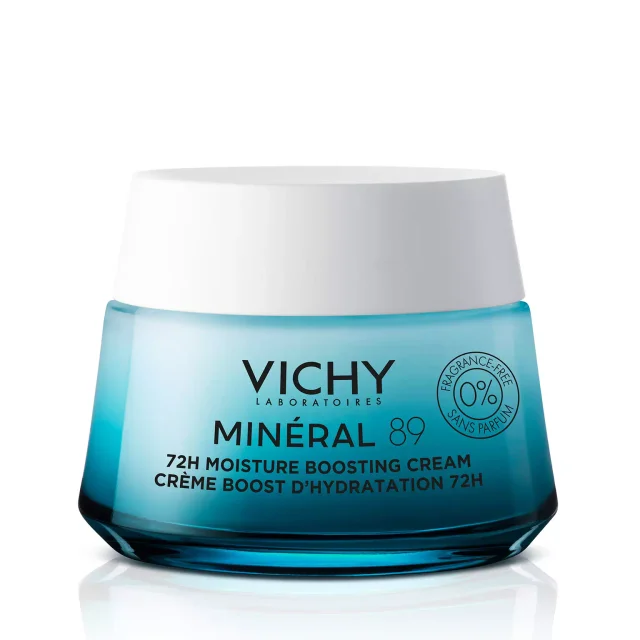
Vichy Minéral 89 Fragrance Free Cream
- Formula & texture
- Face and neck; brand-described lightweight cream. Glycerin, niacinamide, squalane, and sodium hyaluronate; fragrance-free label.
- Keep in mind
- Official US page directs shoppers to Amazon; check the seller's current price and package.
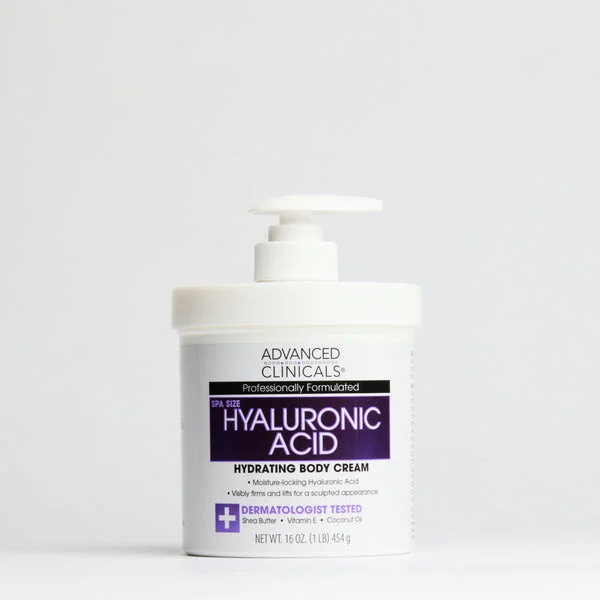
Advanced Clinicals Hyaluronic Acid Body Cream
- Formula & texture
- Body; brand-described rich cream. Mineral oil, glycerin, shea butter, sodium hyaluronate, panthenol, and squalane; fragrance listed.
- Keep in mind
- Larger body-care option, but not a fragrance-free choice.
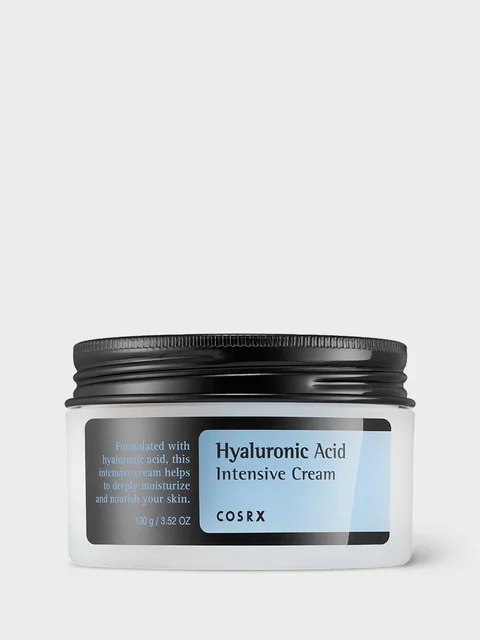
COSRX Hyaluronic Acid Intensive Cream
- Formula & texture
- Face; moisturizing cream. Glycerin, sunflower and macadamia oils, sodium hyaluronate, panthenol, and dimethicone; no fragrance/parfum listed.
- Keep in mind
- Official listing showed backorder on the check date; check delivery before ordering.
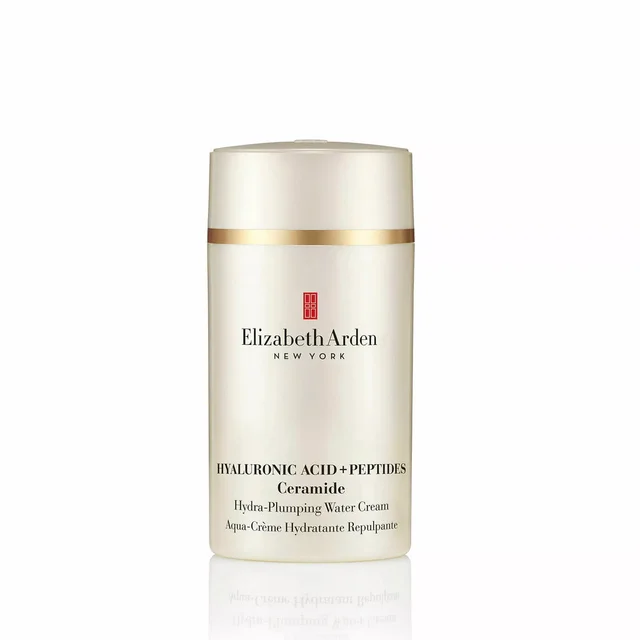
Elizabeth Arden Hyaluronic Acid + Peptides Ceramide Hydra-Plumping Water Cream
- Formula & texture
- Face; brand-described lightweight, gel-like cream. Glycerin, squalane, Ceramide NP, several HA forms, and peptides; fragrance listed.
- Keep in mind
- Higher upfront cost; ingredient and marketing differences do not establish superior hydration.
Dollar amounts are the official pages’ displayed USD prices, before tax and shipping, not guaranteed US checkout prices. Advanced Clinicals’ live browser page localized to Korean won while the retrieved official listing displayed USD; its selected size was 16 oz. We have not assumed that an “oz” label means fluid ounces or converted grams into milliliters. Consequently, this is not a like-for-like unit-price ranking. COSRX’s listed price is $25 per 100 g; that does not make it a $25-per-100-mL product.
Ingredient lists and availability can change. “No fragrance/parfum listed” describes the list we read; it is not automatically the same as a manufacturer’s fragrance-free claim or a guarantee against irritation.
What each option offers—and what to check
Vichy: a lightweight, fragrance-free facial option
Vichy describes Minéral 89 Fragrance Free Cream as lightweight and intended for the face and neck. We opened its full ingredient list: glycerin, niacinamide, squalane, and sodium hyaluronate appear alongside other formulation ingredients. Official US formula and product information.
It is worth considering if fragrance-free labeling is a priority. The unresolved buying detail is cost: we could verify a retailer-finding route, but not a current product price and pack size. Compare the actual package before paying; do not mistake this cream for the brand’s serum, night cream, or SPF product.
Advanced Clinicals: a larger body-care format
The selected 16 oz option provides a different shopping proposition from a small facial jar. Its ingredient list includes mineral oil and shea butter as well as glycerin, panthenol, squalane, and sodium hyaluronate. The manufacturer calls the formula rich. Official body cream details.
The clear trade-off is Parfum/Fragrance in the ingredient list. If avoiding fragrance is central to your purchase, choose another option rather than assuming an HA body cream is necessarily fragrance-free. Keep the comparison within body-care needs instead of treating its larger package as proof that it replaces every facial product.
COSRX: a 100 g facial alternative with a delivery caveat
COSRX lists a 100 g size and ingredients including glycerin, plant oils, panthenol, dimethicone, and sodium hyaluronate. We did not find fragrance/parfum in that published list. Official cream formula and availability.
Its ingredient combination is a reason to compare it with the other creams—not proof that it will feel lighter or work better on your skin. The practical limitation is availability: the same official page displayed a backorder notice. If you need a moisturizer immediately, confirm shipping or another authorized purchasing route first.
Elizabeth Arden: a higher-priced, multi-ingredient choice
Elizabeth Arden describes its Water Cream as lightweight and gel-like. The published formula combines HA forms with glycerin, squalane, ceramide and peptide ingredients, and includes fragrance. Official Water Cream information.
Consider it for that documented formula combination, not because a premium price proves better results. Its marketing includes consumer-study feedback and an ingredient-level laboratory-testing footnote. Those are different evidence types, not a controlled comparison with the other creams here. We have not used them to award a hydration winner.
What does hyaluronic acid cream do?
HA is used as a humectant, an ingredient that attracts and holds moisture. A cream also contains ingredients that determine its texture and overall moisturizing behavior. Emollients help skin feel soft and smooth; occlusive ingredients help limit water loss. These roles can overlap within a finished formula.
The American Academy of Dermatology explains that moisturizers both add moisture and help prevent it from leaving the skin. Its moisturizer selection guidance identifies HA among ingredients to look for, while emphasizing differences between gels, lotions, creams, and ointments. The practical implication is to evaluate the whole moisturizer rather than one highlighted ingredient.
Hydration can also change how fine lines look. The AAD notes that a moisturizer can make them less noticeable by plumping the skin, but that this effect is temporary. That is not the same promise as lifting sagging skin or permanently correcting wrinkles. AAD explanation of moisturizing versus firming claims.
We did not establish equivalent clinical testing across these four products. Their ingredient lists cannot tell us which produces the largest hydration improvement, how long that improvement lasts, or which will suit you personally.
Cream, gel cream, or serum?
Treat these names as a starting point for comparing formats, not a standardized performance scale. The AAD describes gels as generally lighter and creams as thicker, with more oil than gels or lotions. For dry skin, it discusses choosing a cream or ointment rather than a lotion. How moisturizer formats differ.
A serum is not automatically a stronger version of a cream. If your buying goal is a moisturizer, compare products sold for that purpose first. If you also want a separate serum, ask what additional role it would serve rather than adding one solely because both products mention HA. This is a way to organize a purchase, not a rule that everyone needs—or must avoid—layering.
For face versus body, check the stated application area. The body cream and facial creams above are not interchangeable recommendations simply because their labels share an ingredient. Nor does a facial product’s label establish that it is intended for the eye area.
How to read the label before buying
Use a short checklist:
- Exact product: match the full name, version, and pack size. A review of a similarly named serum or older formula may not describe your jar.
- Whole formula: read beyond the HA headline. Compare accompanying ingredients and your own fragrance preferences.
- Cost: compare the same units when possible. Do not assume a gram of cream occupies one milliliter.
- Evidence: ask whether a claim concerns a finished product, one ingredient, an instrument measurement, or consumers’ opinions.
- Purchase conditions: check seller, regional formula, stock, and delivery—not just the search card.
For readers concerned about dry or sensitive skin, fragrance deserves particular attention. The AAD recommends fragrance-free products for dry skin and distinguishes them from “unscented” products, which may contain odor-masking ingredients. AAD dry-skin product guidance, updated January 2026.
An HA percentage or a count of HA forms is not, by itself, a comparative product trial. Use those numbers to identify what a brand says is in the formula, not to declare a winner.
Everyday use and irritation: what to check
This section provides general information for adult skincare shoppers. It does not diagnose skin conditions, replace medical care, or determine whether a particular product is suitable for you.
Follow your product’s directions rather than a universal HA schedule. General AAD dry-skin advice includes moisturizing while skin is still damp after bathing. Persistent dryness, or burning, stinging, and irritation when applying products, warrants a dermatologist’s assessment. AAD dry-skin care and when to seek help.
Do not interpret discomfort as proof that a cream is working. The AAD’s skincare guidance advises stopping non-prescribed products that sting or burn. It also cautions that introducing too many products can irritate the skin. If you are following a dermatologist’s treatment plan, ask them about reactions rather than changing prescribed care based on this article.
Frequently asked questions
What is the best hyaluronic acid face cream?
There is no demonstrated universal winner in this comparison. Start with the facial options’ fragrance labeling, documented formula, actual package cost, and availability. Our comparison helps narrow those choices; it does not establish which gives the best clinical result.
Can I use hyaluronic acid cream every day?
Check the specific cream’s instructions. Vichy, for example, recommends morning and evening use on its official product page. That recommendation is not a guarantee that every reader tolerates that formula or should use every HA cream on the same schedule.
Why does my skin still feel dry?
An HA label alone cannot identify the cause. Review your moisturizer format and routine instead of simply buying a higher-HA product. If dryness persists despite general care, seek professional assessment; the AAD notes that persistent dryness can have an underlying medical cause. When to see a dermatologist.
Do I need a separate HA serum?
Not as a requirement of this buying guide. Choose the moisturizer that fits your needs first. A separate serum is an optional purchase to evaluate for a specific reason—not something the words “hyaluronic acid cream” automatically require.
Have a question or an idea?
Get in touch with the Derma Dossier editorial team.
Contact us